
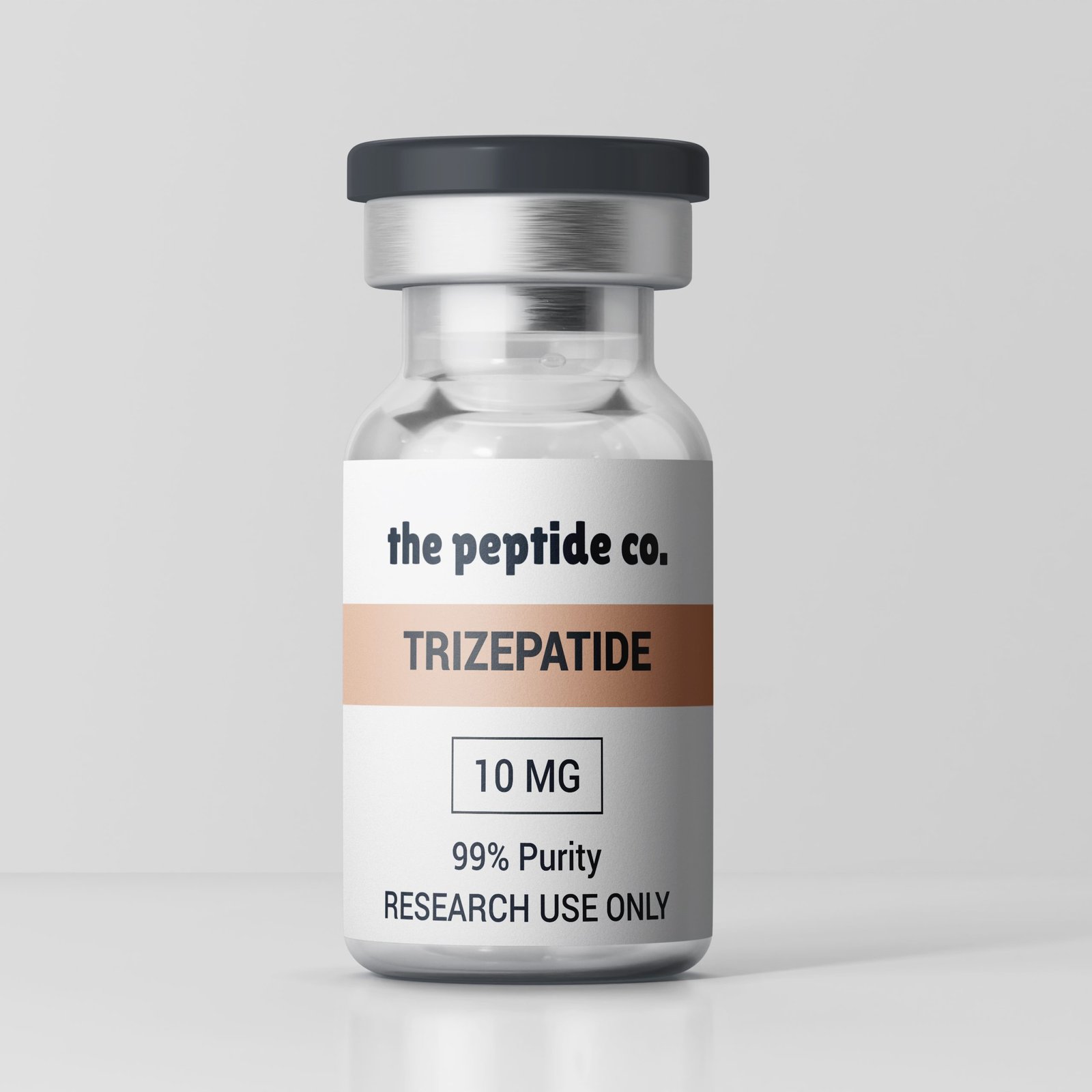
Description
Understanding the Battle: Retatrutide vs Tirzepatide
tirzepatide peptides The landscape of metabolic medicine has been revolutionized by the emergence of multi-target incretin therapies. Two compounds stand at the forefront of this revolution: TIRZEPATIDE – Trippy Store Us and tirzepatide. While both are groundbreaking, understanding their distinct mechanisms, efficacy profiles, and safety considerations is crucial for anyone seeking superior weight loss outcomes.
Retatrutide and tirzepatide represent the next generation of GLP-1 receptor agonists, but they are not the same. This comprehensive guide breaks down everything you need to know about these powerful compounds, helping you make an informed decision based on current clinical evidence.
What Are Retatrutide and Tirzepatide?
Retatrutide: The Triple Agonist
Retatrutide is a first-in-class triple hormone receptor agonist that simultaneously targets three key metabolic pathways:
-
GLP-1 (Glucagon-Like Peptide-1) receptors – for appetite suppression and glucose control
-
GIP (Glucose-dependent Insulinotropic Polypeptide) receptors – for enhanced insulin secretion
-
Glucagon receptors – for increased energy expenditure and fat metabolism
This triple mechanism creates a synergistic effect that mimics the metabolic benefits of bariatric surgery without the invasive procedure . By engaging all three pathways, retatrutide offers a comprehensive approach to metabolic dysfunction .
Tirzepatide: The Dual Agonist
Tirzepatide is a dual GLP-1 and GIP receptor agonist that:
-
Activates GLP-1 receptors to reduce appetite and improve glycemic control
-
Targets GIP receptors to enhance insulin secretion and promote weight loss
While tirzepatide was the first to demonstrate that dual agonism could outperform single GLP-1 receptor agonists, retatrutide takes this concept further by adding glucagon receptor activation to the equation .
Head-to-Head Comparison: Efficacy
Weight Loss Results
Clinical studies provide compelling evidence for both compounds, with retatrutide showing superior outcomes in body weight reduction.
| Metric | Retatrutide (12mg) | Tirzepatide (15mg) |
|---|---|---|
| Mean Body Weight Reduction | Up to 22.1% | Up to 16.53% |
| Waist Circumference Reduction | Up to 17.0 cm | Up to 13.23 cm |
According to a comprehensive network meta-analysis of 27 randomized controlled trials involving over 15,500 patients, retatrutide 12mg and retatrutide 8mg were the two most efficacious treatments for reducing body weight and waist circumference, outperforming all other GLP-1 receptor agonists and polyagonists .
Specifically, the data demonstrates:
-
Retatrutide 12mg: 22.1% body weight reduction, 17.0 cm waist reduction
-
Retatrutide 8mg: 20.7% body weight reduction, 15.9 cm waist reduction
-
Tirzepatide 15mg: 16.53% body weight reduction, 13.23 cm waist reduction
A separate network meta-analysis confirmed that retatrutide and dual agonists achieved equivalent mean weight loss of -11.0 kg, surpassing GLP-1RAs at -9.0 kg. Retatrutide excelled specifically at achieving ≥15% weight loss with an impressive odds ratio of 54.6 .
Mechanistic Differences
Retatrutide’s triple agonist approach appears to offer several distinct advantages:
-
Greater Fat Mass Reduction – The addition of glucagon receptor agonism promotes increased energy expenditure through thermogenesis
-
Enhanced Visceral Fat Loss – Retatrutide shows particular efficacy in reducing visceral adipose tissue, which carries greater metabolic risk
-
Improved Liver Outcomes – Triple agonism demonstrates beneficial effects on NAFLD/NASH markers
Research in MC4R-deficient mice models showed that retatrutide achieved 24.1% body weight reduction compared to 31.6% for tirzepatide in this specific population. However, it’s important to note that these results may not directly translate to human populations, and tirzepatide’s performance in this model reflects its potent dual-agonist activity .
Key Influencing Factors
Clinical evidence reveals that treatment outcomes depend on several patient characteristics:
-
Diabetes Status: Patients without Type 2 Diabetes Mellitus (T2DM) experience greater weight loss with both compounds
-
BMI: Higher baseline BMI correlates with more significant weight reduction
-
Treatment Duration: Longer treatment cycles produce superior results
Safety Profile: What You Need to Know
Understanding the safety profile of these compounds is essential before making any decision.
Retatrutide Safety
Retatrutide has shown the highest risk of adverse events among all GLP-1 receptor agonists and polyagonists . Common side effects may include:
-
Gastrointestinal issues: Nausea, vomiting, diarrhea
-
Increased heart rate: A known effect of glucagon receptor agonism
-
Hyperthermia risk: Body temperature regulation concerns
Tirzepatide Safety
Tirzepatide demonstrates a more favorable safety profile with:
-
Lower incidence of gastrointestinal adverse events
-
Better tolerability at therapeutic doses
-
Well-characterized side effect profile from extensive clinical trials
Important: Patients without T2DM generally experience a higher incidence of adverse events compared to those with T2DM, regardless of the compound chosen .
Retatrutide vs Tirzepatide: Which Is Right for You?
Your choice between these two revolutionary compounds depends on several factors:
Consider Retatrutide If:
-
You have significant weight loss goals (≥15% body weight reduction)
-
You are seeking maximum efficacy despite potential side effects
-
You have obesity without T2DM
-
You are willing to manage more intensive side effect profiles
Consider Tirzepatide If:
-
You prefer a more balanced efficacy-safety profile
-
You have a lower tolerance for gastrointestinal side effects
-
You have T2DM and need glycemic control alongside weight loss
-
You want proven efficacy with a longer track record of clinical use
Expert Insights and Research Validation
Recent network meta-analyses have consistently positioned retatrutide and tirzepatide as the top performers in weight loss outcomes . Both represent significant advancements over single GLP-1 receptor agonists like semaglutide.
Key clinical findings include:
-
Superiority over single agonists: Dual and triple receptor agonists are more effective for weight loss than GLP-1 receptor agonists alone
-
Metabolic surgery equivalence: Multi-target incretin therapies mimic the benefits of bariatric surgery in metabolic improvements
-
Comprehensive benefits: Both compounds improve multiple metabolic parameters including insulin sensitivity, cholesterol levels, and liver function markers
Conclusion
The TIRZEPATIDE – Trippy Store Us comparison reveals that both compounds offer exceptional weight loss outcomes, with retatrutide demonstrating superior efficacy at the cost of a higher adverse event profile. Tirzepatide provides an excellent balance of efficacy and safety, making it a preferred choice for many patients.
Ultimately, the decision should be made in consultation with a healthcare provider who can evaluate your individual risk factors, treatment goals, and tolerability preferences. Both compounds represent the cutting edge of metabolic medicine and offer unprecedented opportunities for significant, sustained weight loss.
Disclaimer: This content is for informational purposes only and does not constitute medical advice. Always consult a qualified healthcare professional before starting any treatment.



There are no reviews yet.