

How to Choose Microdose Capsules
Some microdose capsules look identical on the screen, then show up feeling completely different once they land at your door. That is exactly why learning how to choose microdose capsules matters. If you want a cleaner, more predictable experience, the smart move is to compare dose, ingredients, capsule build, and seller standards before you buy.
How to choose microdose capsules without guessing
The biggest mistake buyers make is treating all capsules like they are interchangeable. They are not. Two products can both be labeled as microdose capsules and still vary in mushroom strain, grind consistency, capsule fill, potency, and add-on ingredients.
If your goal is convenience, capsules are hard to beat. They are easy to store, easy to carry, and easier to portion than raw material. But convenience only pays off when the product is actually consistent. A capsule should save you time, not leave you wondering what you just took.
That means your first filter should be simple: are you buying for precision, for ease, or for price? Most people want all three, but usually one matters more. If you care most about repeatability, standardized dosing and clear labeling should outweigh bargain pricing. If you are just testing the format, a lower-commitment option can make sense, but you still want basic quality signals in place.
Start with the dose, not the marketing
When people search how to choose microdose capsules, what they often really mean is how to avoid taking too much. That starts with the milligram amount per capsule. A product that gives a clear amount per cap is usually easier to evaluate than one that relies on vague language like light blend or premium formula.
Lower-dose capsules are often the safer entry point for new buyers because they let you adjust gradually. Higher-dose capsules may look like a better value at first glance, but they leave less room to fine-tune. If your schedule, body weight, sensitivity, or experience level is different from someone else’s, the right amount for you may be lower than what sounds impressive on a product page.
There is also a trade-off between convenience and flexibility. Pre-filled capsules remove the hassle of weighing powder yourself, which is exactly why buyers like them. At the same time, once a capsule is filled, your ability to adjust the amount depends on the stated dose being accurate. If the label is sloppy, the format stops being useful.
Ingredients matter more than flashy blends
A straightforward formula is usually easier to trust than one packed with trendy extras. Some buyers want pure mushroom content only. Others prefer capsules combined with functional mushrooms, adaptogens, or nootropic ingredients. Neither choice is automatically better. It depends on whether you want a simple baseline or a stacked formula.
The trade-off is clarity. A single-ingredient capsule makes it easier to understand what you are responding to. A blend can sound appealing, especially if it promises focus, mood support, or balance, but it also adds variables. If you are trying to gauge your own response carefully, fewer ingredients usually makes the product easier to assess.
Pay attention to fillers too. Capsules often include inactive ingredients for flow or consistency. That is normal, but the label should still be clear. If the ingredient panel looks vague or incomplete, move on. In a category where trust drives repeat orders, transparent labeling is not optional.
Check capsule size and format
This part gets ignored, but it affects the buying experience more than people expect. Capsule size matters for swallowing comfort, storage, and dose expectations. Smaller capsules are easier to take, but they hold less material. Larger capsules may deliver more content per piece, though they are not always ideal for everyone.
You also want to know what kind of capsule shell is being used. Some shoppers prefer gelatin. Others want vegetarian or vegan capsule shells. Again, this is not about one being universally superior. It is about fit. A product that aligns with your preferences is more likely to become part of a routine instead of sitting untouched in a drawer.
Format consistency matters too. Capsules should be cleanly filled and uniform. If a seller cannot communicate basic details about what is inside each cap and how it is presented, that is a weak sign in a market where product quality and convenience are supposed to be the main selling points.
Freshness and storage are not minor details
Microdose capsules are purchased for simplicity, but shelf life still matters. Finely ground mushroom material can lose quality over time if it is stored badly, exposed to heat, or packed carelessly. You want packaging that protects the contents from moisture, air, and unnecessary handling.
This is where ecommerce basics matter. Fast shipping, discreet packaging, and order tracking are not just sales copy. They affect product condition, especially if you are ordering in warmer weather or stocking up. A seller that moves orders quickly and packages them properly reduces the chance that your capsules spend too long bouncing around in bad conditions.
If you are comparing options, freshness should beat flashy branding every time. A basic-looking product that arrives sealed, intact, and clearly labeled is worth more than a slick listing with weak fulfillment behind it.
Seller trust is part of the product
A lot of buyers focus only on the capsules and forget to evaluate the store. That is a mistake. When you buy online, seller reliability is part of what you are purchasing. Product breadth, visible pricing, discreet delivery, and straightforward order tracking all reduce friction and hesitation.
Look for signs that the store actually operates like a serious retailer instead of a shaky pop-up. Clear product categorization helps. So does a storefront that makes it easy to compare capsules against other formats like dried mushrooms, edibles, or tincture-style options. If a shop looks organized, stocked, and built for repeat purchasing, that usually reflects better backend handling too.
This is one reason buyers who want speed and selection often prefer a larger category-driven storefront like Trippy Store Us. The appeal is simple: compare formats, check pricing, place the order, and get on with it. For a lot of customers, that convenience is not a bonus. It is the point.
Price per capsule is better than sticker price
Cheap is not always cheap. A lower upfront price can hide weak value if the dose is inconsistent, the count is low, or the formula is padded with unnecessary fillers. The smarter way to compare products is to look at cost per capsule alongside dose per capsule.
That gives you a more honest view of what you are actually getting. A bottle with a slightly higher price may be the better buy if it delivers cleaner labeling, better consistency, and enough quantity to support a real routine. On the other hand, if you are trying capsules for the first time, a smaller order can still be the right move because it lowers your commitment.
The best choice depends on your buying style. Some shoppers prioritize low entry cost. Others care more about locking in a dependable reorder. Neither approach is wrong, but they lead to different purchase decisions.
Know when capsules are the right format
Capsules are popular because they remove mess, odor, and guesswork. They are discreet, portable, and simple to fit into a schedule. If you value privacy and clean dosing, capsules usually beat raw mushrooms for ease of use.
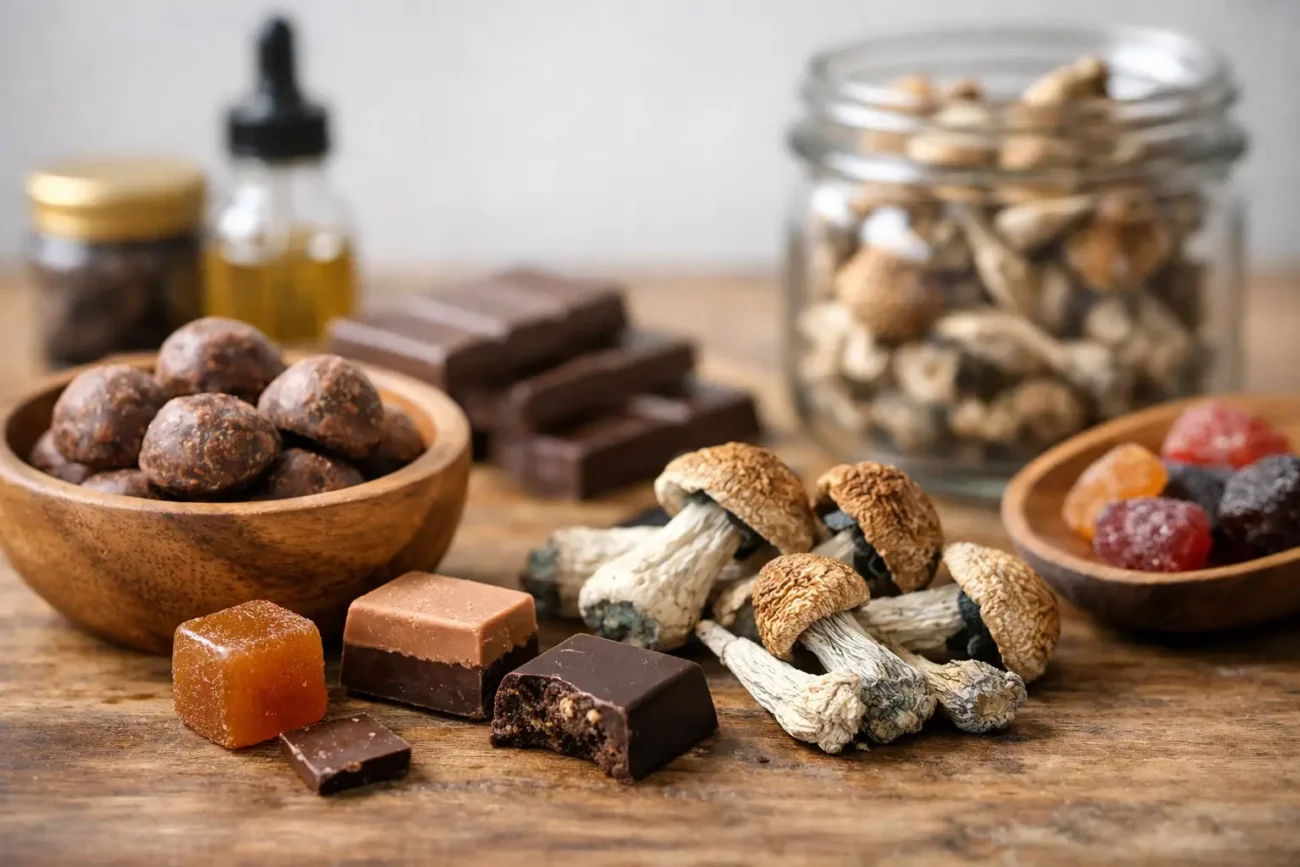
Still, there are cases where another format might fit better. Some experienced buyers prefer raw mushrooms because they want total control over weighing and source evaluation. Others like edibles because the format feels more familiar. Capsules are strongest when you want speed, discretion, and a more standardized experience.
That is the real answer to how to choose microdose capsules: match the format to the routine you will actually keep. The best product is not the one with the loudest claims. It is the one with a clear dose, transparent ingredients, solid packaging, and a seller that makes ordering easy instead of stressful.
If you slow down long enough to compare those details before checkout, you usually end up with a better fit and fewer surprises after delivery. That is how smart buyers shop this category – not by chasing hype, but by choosing consistency they can come back to.


Add a review
Your email address will not be published. Required fields are marked *