
How to Compare Dried Shroom Potency
If you are trying to figure out how to compare dried shroom potency, the fastest way to get grounded is this – appearance alone will not tell you everything, and strain names alone will not save you from a weak or wildly uneven batch. Buyers who shop dried mushrooms, capsules, edibles, and microdose formats already know one thing: consistency matters. If you want cleaner expectations before you buy, you need to compare potency the same way smart shoppers compare anything else – by batch quality, storage, species, and how the product was handled before it reached you.
How to compare dried shroom potency without guessing
A lot of people start with the oldest myth in the book: bigger mushrooms must be stronger. Not necessarily. Potency is driven by active compound content, not by size, dramatic blue bruising, or whether the cap looks photogenic in a product shot. Two bags that look similar can hit very differently if one batch was grown well, dried correctly, and stored with care while the other sat too long in heat, light, or moisture.
That is why the real comparison starts with context. What species are you looking at? How dry is the product? Is it sold as whole fruits, broken pieces, powder, or pre-filled capsules? Does the seller communicate batch handling clearly, or are you buying off vague hype and random strain claims? The more direct the product information, the easier it is to compare dried shroom potency with realistic expectations instead of forum folklore.
Species matters more than hype
If you are comparing common dried psilocybin mushrooms sold online, many products fall under Psilocybe cubensis. Within cubensis, strain names can suggest differences, but they do not guarantee a neat potency ladder. Genetics matter, but cultivation and handling matter too. One strong batch of a standard cubensis variety can outperform a sloppy batch of a more hyped name.
Where buyers get tripped up is assuming every branded strain title means a dramatic and reliable jump in intensity. Sometimes it does. Sometimes it is mostly marketing layered over normal biological variation. If you are comparing products as a buyer, treat species as the first major filter and strain as the second. That keeps your expectations sharper.
In practical terms, products from clearly more potent species or especially strong genetic lines may deserve more caution, but comparisons inside the same broad category should stay flexible. If you want reliability, look for sellers that focus on product quality and batch consistency rather than flashy naming alone.
Why strain names are useful, but not enough
Strain labels are still worth noting because they can point you toward general user expectations. Some are commonly described as more visual, some as more body-heavy, and some as stronger by weight. The catch is that those descriptions are not a lab report. They are a starting point.
A smart comparison uses strain as one signal among several. If a seller leans hard on the name but gives you nothing about freshness, storage, dryness, or format, you are still working with incomplete information.
Dryness changes the comparison
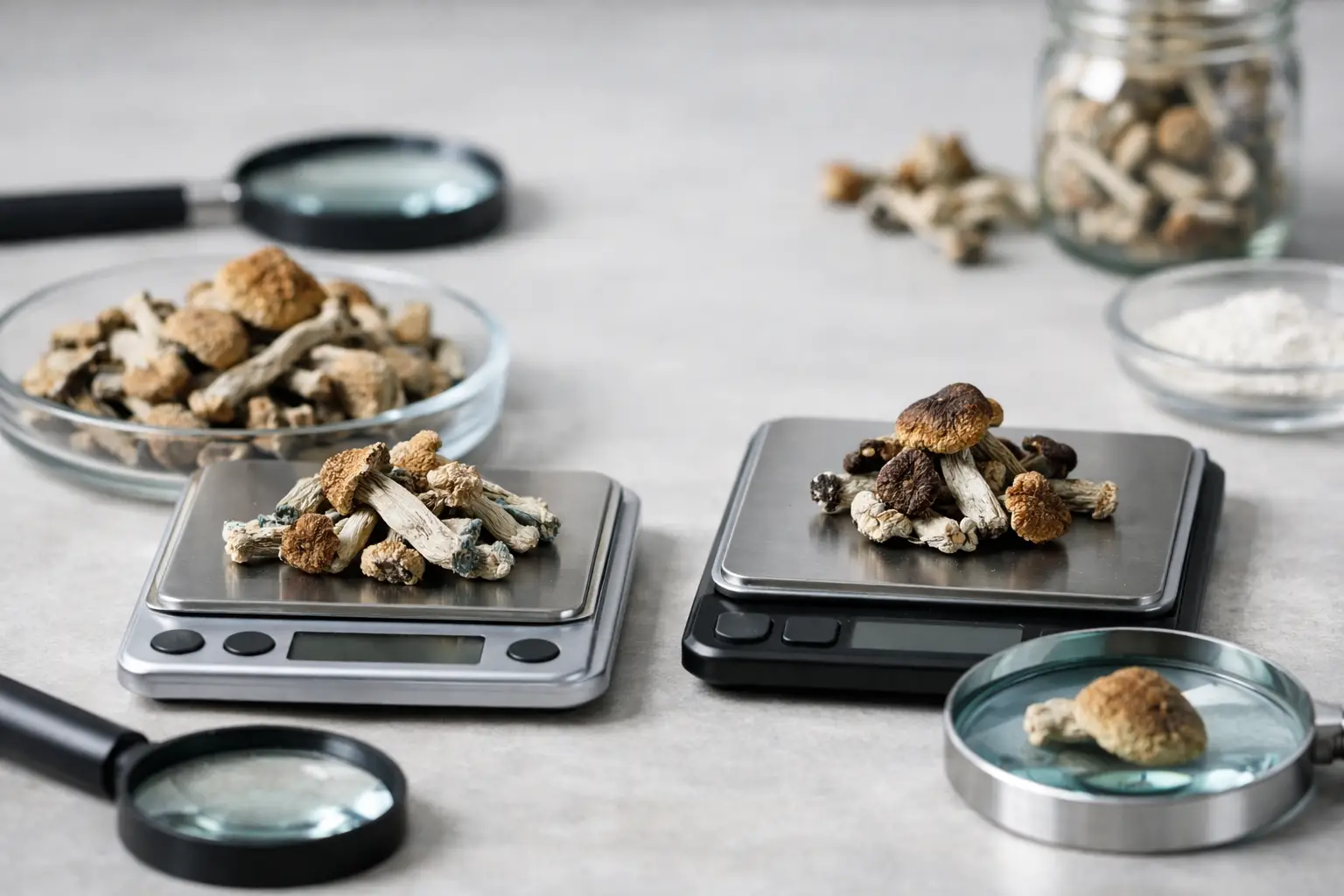
One of the simplest ways to compare dried shroom potency is to check whether the mushrooms are actually dried well. Properly dried mushrooms are easier to dose consistently because excess moisture is gone. Water adds weight without adding potency, so a poorly dried batch can make two grams feel less predictable than two grams from a properly dried one.
Texture tells part of the story. Dried mushrooms should feel dry and brittle rather than soft, spongy, or damp. If they bend instead of snapping, there may still be moisture inside. That does not automatically mean they are ruined, but it does mean your weight-to-potency comparison may be off. Moisture also raises the risk of degradation and spoilage during storage.
This matters especially for buyers comparing whole dried mushrooms against powders or capsules. Whole fruits let you inspect dryness more directly. Powder can be more even if blended well, but you lose the ability to visually judge the raw material. Capsules are convenient and discreet, but they add another layer between you and the product itself.
Batch consistency beats one-off appearance
A single mushroom in a bag may look dark, blue, thick, or impressive, but potency should be judged at the batch level. One cap can differ from another. One stem can differ from another. If a bag contains mixed sizes and fragmented pieces, potency can vary from portion to portion unless it has been ground and homogenized.
That is why some experienced buyers prefer powders or capsules for routine microdosing, while others prefer whole dried mushrooms for visual inspection and custom weighing. There is a trade-off. Whole mushrooms give you transparency. Ground product can give you better internal consistency if the batch was blended properly.
When comparing offerings, ask yourself what matters more for your use case. If you want flexibility and visibility, whole dried mushrooms may be the better format. If you want convenience and more even distribution across doses, capsules may be easier to manage. Potency is not just about how strong the material is. It is also about how consistently that strength is distributed.
Storage can quietly weaken a strong batch
Even a high-quality batch can lose edge if it is stored badly. Light, heat, oxygen, and moisture all work against long-term potency. This is where smart buyers separate fresh stock from dead stock.
If you are comparing dried mushrooms from different sellers or from different product formats, storage clues matter. Products kept sealed, dry, and protected from heat usually hold up better than products exposed to repeated opening, warm transit, or humid conditions. You may not always get a full storage history, but you can still read between the lines. Clean packaging, clear handling, and fast turnover often point to better preserved inventory.
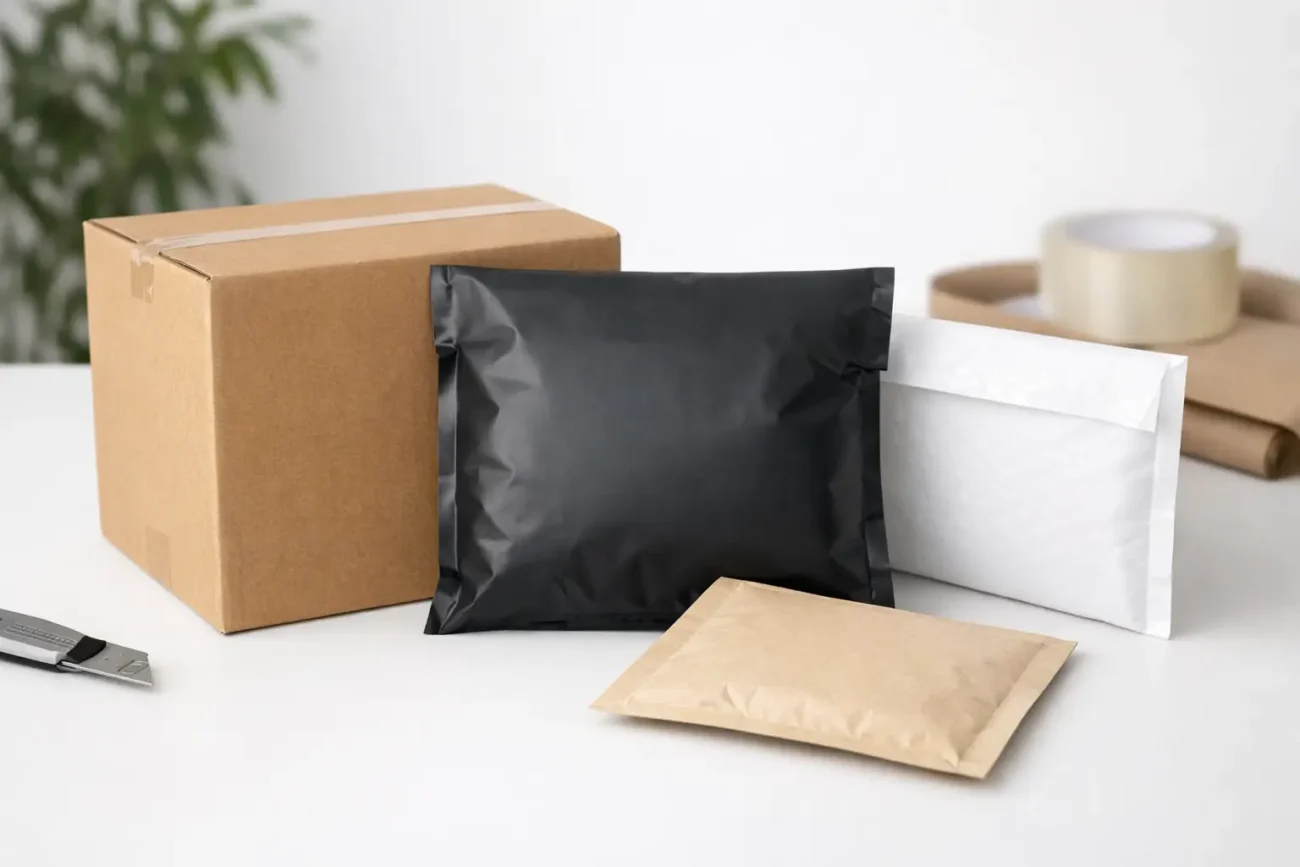
That is one reason convenience matters more than people admit. A seller with fast fulfillment and discreet, organized shipping is not just selling ease. They are often reducing the time your product spends sitting around in bad conditions. For buyers who care about product strength and consistency, that is not a small detail.
How to compare dried shroom potency by format
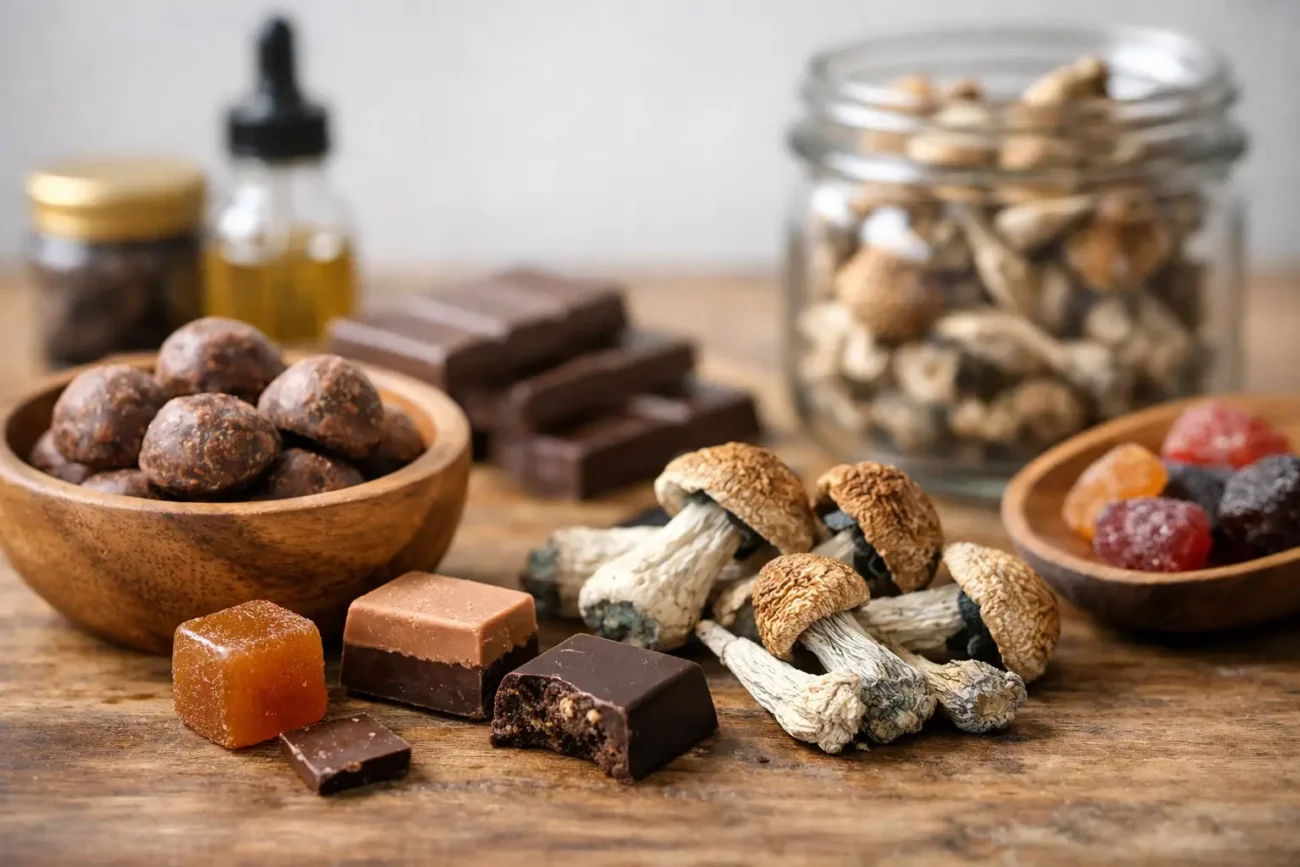
Format changes the buying decision. Whole dried mushrooms, capsules, chocolates, and other mushroom edibles do not offer the same transparency.
Whole dried mushrooms are the easiest format for direct visual inspection. You can judge dryness, look for obvious problems, and weigh your material yourself. The downside is natural variation between pieces.
Capsules are convenient, discreet, and better for routine dosing, especially if the powder was thoroughly mixed before filling. The downside is trust. You are relying more heavily on the seller’s quality control.
Edibles can be convenient and appealing, but they are harder to compare directly to raw dried mushrooms unless the active content and source material are communicated clearly. If you are trying to compare potency with confidence, the more processed the format, the more you need reliable product information.
For many adult buyers, the real answer is not choosing one forever. It is choosing the format that matches the goal. Whole dried mushrooms for inspection and flexible use. Capsules for convenience. Edibles for ease if you trust the source.
Visual cues that help, and cues that mislead
Blue bruising gets a lot of attention, and yes, it can indicate oxidation related to active compounds. But more blue does not always mean more potent. Handling pressure can increase bruising. Age can affect appearance. A heavily bruised mushroom is not automatically stronger than a cleaner-looking one.
Color variation is similar. Pale stems, darker caps, and blue patches can all show up in perfectly usable material. What matters more is whether the product looks clean, dry, and free from obvious contamination or moisture damage.
Smell can help too. A normal earthy odor is expected. A musty, sour, or distinctly off smell can suggest storage issues. That does not quantify potency, but it absolutely affects whether a batch deserves your trust.
Shop with a potency mindset, not a hype mindset
The smartest buyers do not chase the loudest product title. They compare the full offer. That means looking at format, freshness, handling, product clarity, and whether the seller appears built for repeatable quality rather than random inventory.
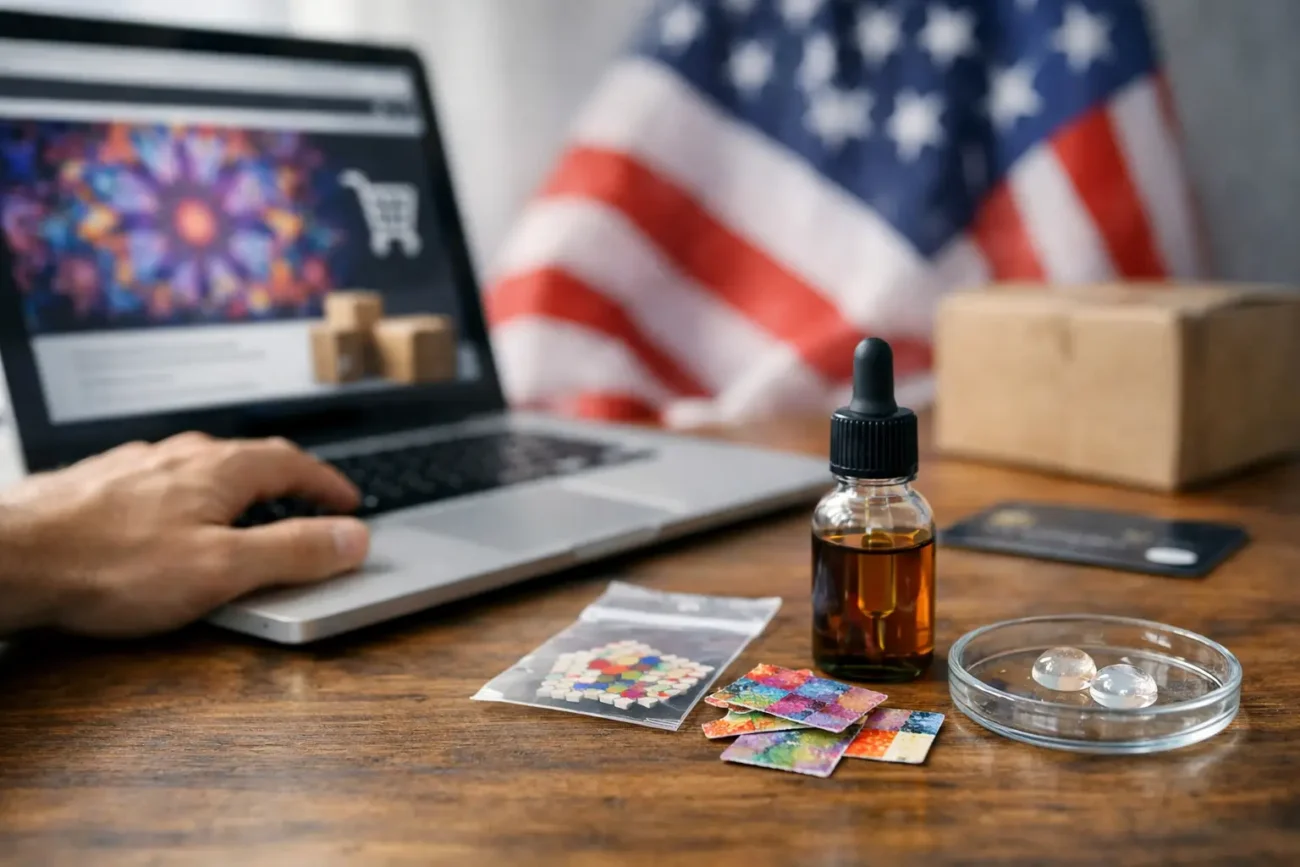
If you are shopping online, convenience features are not just cosmetic. Clear product categories, straightforward ordering, discreet packaging, and reliable shipping all reduce friction, but they also support a better product experience. Trippy Store Us speaks to buyers who want that kind of no-nonsense access across dried mushrooms, capsules, edibles, spores, grow kits, and more, because shopping should feel direct instead of sketchy.
That said, potency is never something to treat casually. Even within the same listing, natural variation exists. If you are comparing batches or trying a new format, start with respect for uncertainty rather than confidence built on a product name alone.
The best way to make a fair comparison
The cleanest comparison uses the same standard every time. Compare by species first, then strain reputation, then dryness, then storage quality, then format consistency. That order helps cut through bad assumptions fast.
A dry, well-stored, clearly presented batch from a reliable seller is often a safer bet than a hyped strain with weak handling and vague details. That is the part many buyers miss. Potency is not just grown – it is preserved, packaged, and presented.
If you keep that in mind, you will make better calls, avoid a lot of overpriced guesswork, and shop with a lot more control the next time a product page tries to sell you pure hype.


Add a review
Your email address will not be published. Required fields are marked *