
How to Start Microdosing Mushrooms
Most people asking how to start microdosing mushrooms are not looking for a lecture. They want a clear starting point, a dose that makes sense, and a simple way to test the experience without overdoing it. If that sounds like you, keep it tight, start low, and treat your first few weeks like a controlled experiment instead of a random guess.
Microdosing mushrooms usually means taking a very small amount of psilocybin on a schedule that is subtle enough to avoid a full psychedelic trip. The goal for many buyers is not visuals or intensity. It is a lighter shift in mood, focus, creativity, or general day-to-day feel. That said, results vary a lot. Body weight, sensitivity, mushroom potency, tolerance, stomach contents, sleep, and expectations all matter.
How to start microdosing mushrooms without overdoing it
The biggest beginner mistake is taking too much on day one. A microdose should feel light or even borderline unnoticeable for some people. If you are clearly impaired, distracted, spacey, or seeing visual changes, you likely overshot the mark.
A common beginner range is around 0.05 to 0.2 grams of dried psilocybin mushrooms. At the very low end, some people barely notice anything but still report a smoother day. At the higher end, sensitive users may feel stimulation, emotional softness, or mild body sensations that are no longer truly subtle. That is why starting low matters more than starting fast.
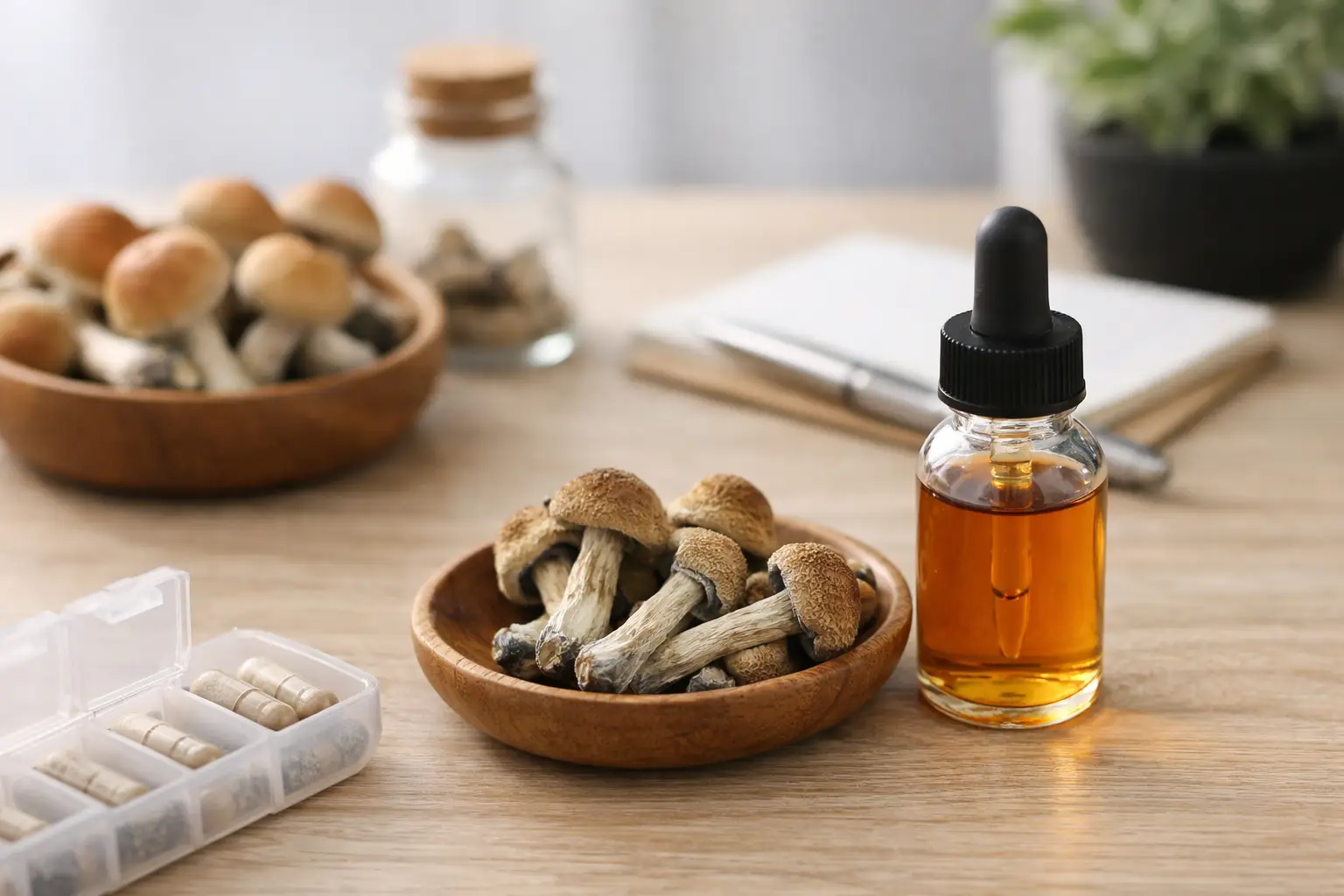
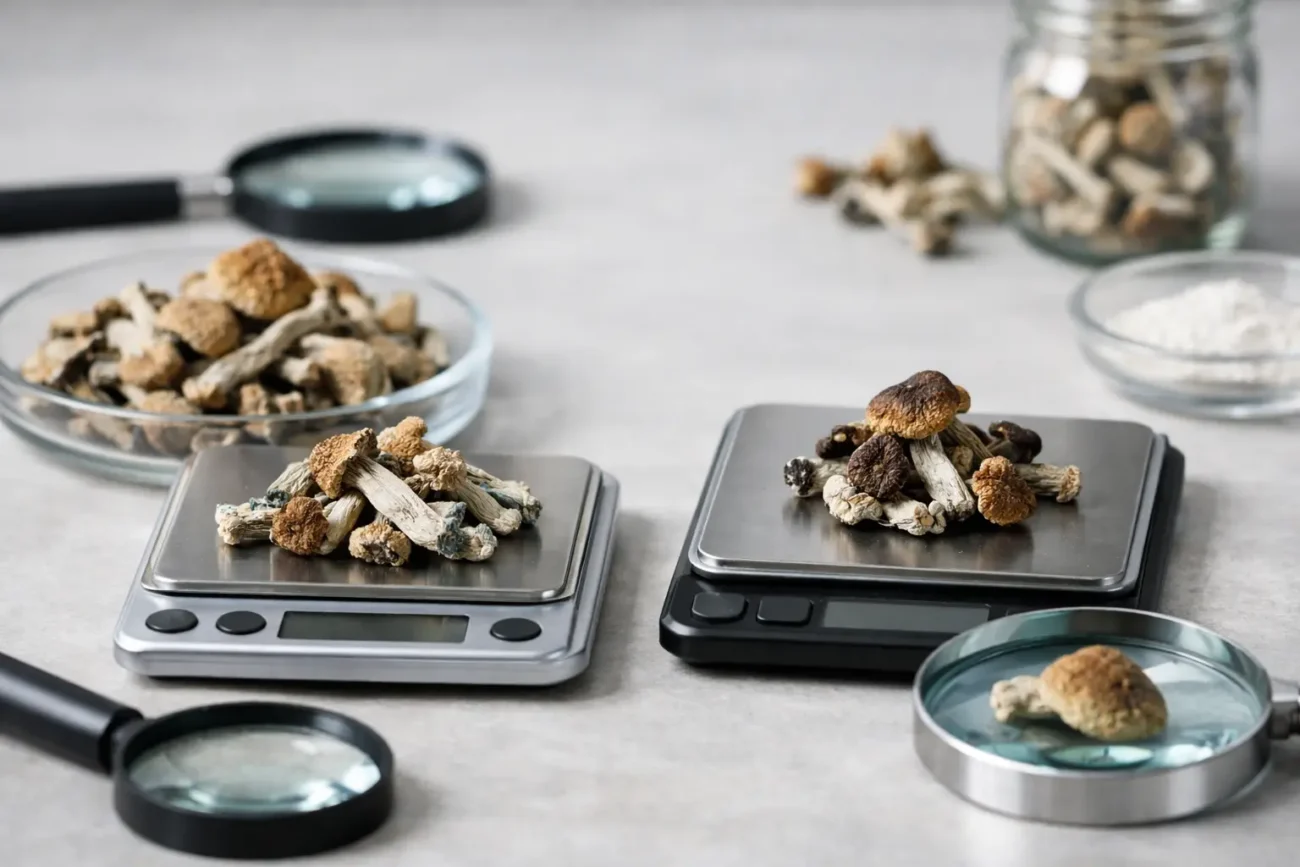
If you are using capsules, the label may already set the amount per cap. That can make the process cleaner and more consistent than eyeballing dried mushrooms. If you are using whole dried product, a precise digital scale is not optional. Close enough is not good enough when you are working in tenths or hundredths of a gram.
For your first trial, pick a day with low pressure. Not a travel day, not a major work presentation, and not a day packed with social obligations. Take your dose in the morning or early afternoon, then pay attention to energy, mood, focus, and body feel over the next several hours. If it feels stronger than expected, lower the next dose. If it feels like nothing at all after a few attempts, increase slowly.
Choosing the best format for a first microdose
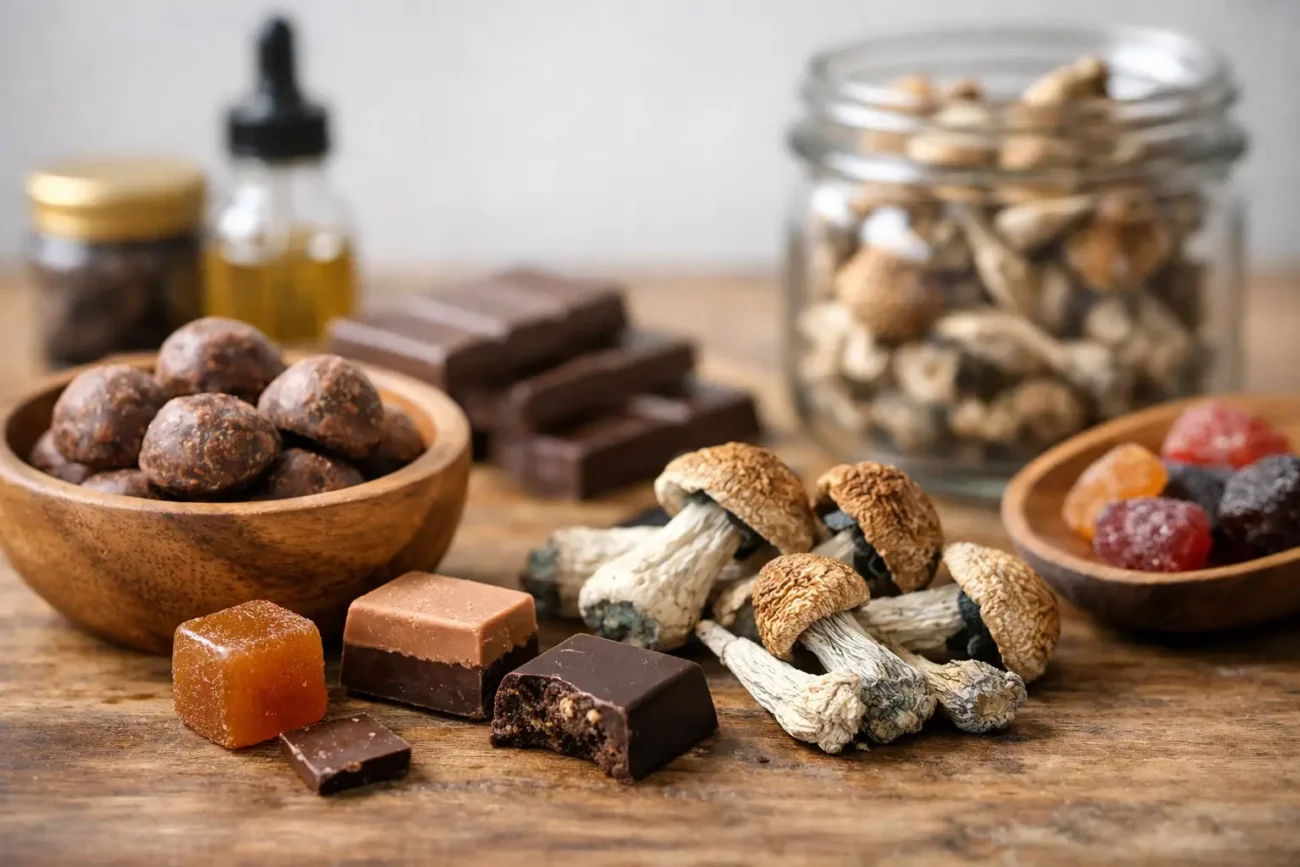
Not every format fits every buyer. Dried mushrooms offer flexibility because you can measure exact amounts, but potency can vary across batches and even between stems and caps. Capsules are popular because they simplify dosing, travel well, and remove a lot of the guesswork. Edibles can be convenient, but they are only useful for microdosing if the amount per piece is clearly defined and easy to split.
For beginners, consistency usually beats novelty. If your goal is to figure out your response, choose the format that gives you the cleanest control over dose size. This is one reason microdose capsules appeal to first-time buyers. You know what you are taking, you can repeat it more easily, and you are less likely to turn a small test into an accidental medium dose.
That is also where a broad storefront matters. Some shoppers want dried mushrooms, some want capsules, and some want mushroom edibles or cultivation options all in one place so they can compare before they buy. Convenience is not a small detail when you are trying to keep the process simple.
What schedule should you use?
There is no single perfect schedule, which frustrates people who want a one-size-fits-all answer. The practical move is to pick a basic rhythm and stick with it long enough to notice patterns.
A lot of beginners start with one dose every third day. That means a dose day, then two days off. Others prefer dosing two or three times per week with rest days in between. The point of days off is simple. They give you space to notice whether any effect carries over, and they may help limit rapid tolerance buildup.
Daily use is where many beginners get sloppy. It becomes harder to tell what is helping, what is placebo, and what is just normal mood fluctuation. It can also make the experience feel flat over time. If you are serious about learning your ideal dose, spacing it out usually works better than hammering the same amount every day.
Keep the first schedule boring. That is good. You are trying to gather useful feedback, not chase a perfect routine by day three.
How to find your personal sweet spot
Your sweet spot is the smallest amount that gives you the effect you want without pushing you into distraction, anxiety, fatigue, or noticeable intoxication. Some people land at 0.05 grams. Others need closer to 0.15 grams. There is no prize for taking more.
The easiest method is to hold one dose steady for a few sessions, then adjust in small steps. If 0.05 grams feels like absolutely nothing after multiple tries, move up slightly. If 0.15 grams makes you too aware of the body load or too mentally scattered, back down. Big jumps make it harder to identify what changed.
Keep notes. Nothing fancy. Record the date, dose, time taken, whether you ate first, how long effects lasted, and how the day felt overall. After two or three weeks, those notes will tell you more than memory will.
What microdosing mushrooms can feel like
People often expect a dramatic mental upgrade. That expectation alone causes a lot of confusion. A true microdose is usually subtle. You might notice that work feels less grind-heavy, your mood is a little brighter, music sounds more engaging, or your thinking feels less stuck. You also might notice nothing useful at all.
There are trade-offs. Some users report better focus, while others feel more distractible. Some feel socially smoother, while others become more inward and less interested in small talk. A dose that feels productive on a quiet morning can feel annoying in a crowded, overstimulating setting.
This is why context matters. Sleep debt, caffeine, stress, and food can shape the day more than the microdose itself. If you are evaluating effects honestly, look at the full picture.
Beginner mistakes that ruin the process
The first mistake is inconsistent measurement. If one day is 0.08 grams and the next is a vague pinch from a bag, your results will be all over the place. The second is changing too many variables at once. New dose, new schedule, empty stomach, lots of coffee, no sleep – then wondering why the experience makes no sense.
The third is trying to force a result. Microdosing is not a guaranteed productivity switch or mood reset. Some people like it. Some do not. Some find the right format quickly, while others decide the trade-off is not worth it.
A fourth mistake is buying based only on hype instead of format fit. If you care about precision, choose products designed for consistency. If you care about flexibility, dried mushrooms may make more sense. If you want privacy, simplicity, and fast ordering, a retail-focused shop experience is part of the decision too.
How to start microdosing mushrooms and shop smarter
If you are ready to test microdosing, shop with a clear goal. Do you want exact capsule dosing, flexible dried mushrooms, or a more convenient edible format? Are you comparing price, portability, and ease of use, or are you mainly trying to avoid messy prep and guesswork?
For most first-timers, the best buying decision is the one that reduces friction. A clean product format, clear dosing information, discreet packaging, and straightforward ordering all make it easier to stay consistent. That is why many buyers prefer a catalog that lets them compare mushroom formats, microdose capsules, and related products in one place instead of piecing together an order across multiple sources. Trippy Store Us is built around that kind of convenience, with broad selection and simple ordering for shoppers who want less hassle.
Start low, keep your schedule simple, and give yourself enough time to judge the experience honestly. The smartest first move is not chasing the strongest effect. It is finding the smallest effective dose that fits your routine without making your day harder.

Add a review
Your email address will not be published. Required fields are marked *