
Guide to Discreet Order Packaging
Nobody wants a package on the porch that says too much. When privacy matters, a real guide to discreet order packaging starts with one basic point: good packaging should protect the contents, limit attention, and keep the buying experience simple from checkout to delivery.
For many online buyers, discreet shipping is not a bonus. It is part of the product. If you are ordering items you would rather keep private, whether that is microdose capsules, mushroom grow supplies, blotters, edibles, spores, or other specialty products, the package itself matters almost as much as price and shipping speed. A store can have a huge catalog and fast order processing, but if the parcel looks unusual, branded, or easy to guess, it creates friction where buyers want confidence.
What discreet order packaging actually means
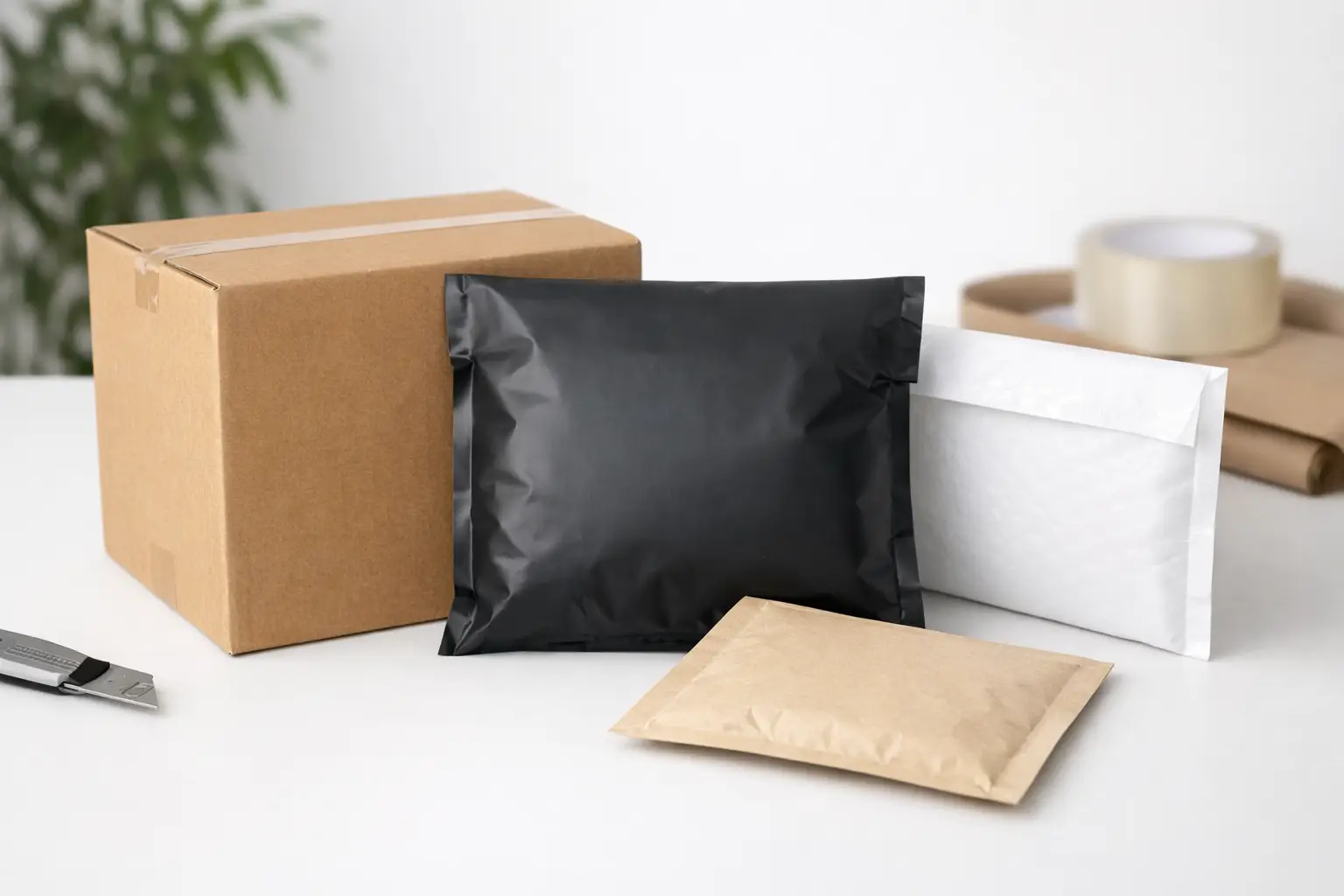
Discreet order packaging is straightforward. The outside of the shipment should look ordinary, with no obvious product language, no loud branding, and no details that invite curiosity. That usually means plain mailers or standard shipping boxes, a neutral sender name when possible, and labels that keep the transaction looking like any other ecommerce order.
That said, discretion is not only about the outer layer. Packaging also needs to be practical. If a box arrives crushed, if a pouch tears in transit, or if contents shift around and create noise, that defeats the purpose. Real discretion is a mix of privacy and competent fulfillment. Buyers want both.
There is also a trade-off worth being honest about. The most minimal packaging is not always the safest packaging. Thin materials may keep a package low-profile, but fragile contents may need more protection. Good stores know how to balance these two priorities instead of treating them like the same thing.
A guide to discreet order packaging for online buyers
If you are shopping online, the easiest mistake is assuming every store defines discreet shipping the same way. They do not. One seller may mean plain outer packaging only. Another may also remove branded inserts, product-specific invoice language, or category labels from the parcel. That difference matters.
Before placing an order, smart buyers look for a few trust signals. First, the shipping language should be direct. Vague promises usually mean nothing. Second, the store should explain whether tracking is provided, because a private shipment that sits unmonitored is still a headache. Third, the retailer should show that packaging is part of the fulfillment process, not an afterthought.
This is especially relevant when buying from a broad storefront rather than a single-category shop. If a retailer offers LSD formats, psilocybin mushrooms, mushroom edibles, microdose products, spores, truffles, and cultivation gear in one place, the packaging system has to work across many order types. A padded mailer may be fine for one item, while a more structured box is better for another. Buyers benefit when the store has experience packing a wide range of product formats without making the shipment look unusual.
The packaging details that matter most
Plain exterior packaging is the first thing most buyers think about, and for good reason. A standard-looking box or envelope reduces attention during transit and at delivery. No flashy logos. No category callouts. No product names printed where they do not belong.
Sender information matters too. Some stores use neutral return names or fulfillment labels that do not reflect the full nature of the catalog. That can help keep the parcel looking routine. It will not make a package invisible, and no serious seller should promise that, but it does lower the chance of unnecessary curiosity.
Internal packaging plays a bigger role than people expect. Products should be secured well enough that they do not shift, rattle, or press against the outer layer. This is partly about product protection, but it is also about presentation. A box that feels stable and professionally packed tends to move through delivery with less attention than one that sounds or feels odd.
Then there is documentation. Buyers who care about privacy usually prefer invoices, inserts, and labels that stay neutral. Oversharing inside the parcel is not as bad as oversharing outside it, but many customers still do not want product-specific branding sitting on top when they open the package near roommates, family, or neighbors.
Shipping speed and tracking are part of discretion
A package can be discreet and still be inconvenient if delivery drags on for too long. The longer a shipment is in the system, the more stress buyers feel. Fast processing and order tracking reduce that stress. They also let customers plan delivery timing instead of guessing when a package will land.
Tracking matters for practical reasons, not just peace of mind. If you know where the package is, you can bring it inside quickly, route it to a safer address when offered, or avoid missing it altogether. Privacy is not only about how the box looks. It is also about controlling who sees it and how long it sits exposed.
This is where strong ecommerce operations make a difference. A store that combines discreet packaging with fast shipping, clear order updates, and broad product availability removes friction from the whole purchase. Buyers are not just paying for an item. They are paying for convenience, speed, and a process that feels under control.
What buyers should watch for before checkout
Not every claim about discreet packaging deserves trust. Some stores use the phrase because they know customers want to hear it, but they provide little proof that their fulfillment process is organized. If the checkout flow feels sloppy, shipping details are buried, or product pages are overloaded with hype and short on operational clarity, that is a signal.
A better sign is consistency. The store should be clear about shipping expectations, realistic about delivery windows, and straightforward about how orders are packed. If there is a tracking process, it should be visible. If there are shipping thresholds or turnaround times, those should be easy to understand. Clear information is often a stronger trust marker than dramatic promises.
It also helps when a retailer is built for category depth. Buyers shopping for mushrooms, microdose capsules, spores, grow kits, blotters, chocolates, or other niche items do not want to bounce between multiple sellers with inconsistent fulfillment standards. A stocked storefront with simple checkout and reliable packaging is easier to trust than a scattered buying experience.
Why discreet packaging matters more for repeat customers
First-time buyers often focus on one thing: will this package look normal when it arrives? Repeat buyers think broader. They care about whether every order is packed consistently, whether delivery timing stays reliable, and whether the store handles different product types with the same level of privacy.
That consistency is what turns a one-off order into repeat business. If a customer gets a plain, secure, trackable shipment the first time, hesitation drops. The next order is faster because trust is already built. For ecommerce brands in sensitive categories, discreet packaging is not just logistics. It is a retention tool.
That is one reason stores like Trippy Store Us put so much emphasis on convenience, broad selection, order tracking, and discreet fulfillment. Buyers want one place where they can compare formats, shop quickly, and place an order without wondering whether the final package will create a problem at the front door.
The best guide to discreet order packaging is a realistic one
The smartest way to think about discreet order packaging is not as a magic shield, but as a standard of competent online retail. It should make the order look routine, protect the contents properly, and help you stay in control of delivery. Anything beyond that starts drifting into empty marketing.
If you are buying online and privacy matters, focus on stores that treat shipping as part of the customer experience, not a footnote. Plain packaging, neutral presentation, solid internal protection, tracking, and fast turnaround all work together. When that system is in place, ordering feels easier, safer, and a lot less stressful.
A good package does not need to say anything. It just needs to arrive, look ordinary, and let you get on with your day.




Add a review
Your email address will not be published. Required fields are marked *