
Mushroom Grow Supplies Guide for Fast Starts
A bad grow usually starts with a bad setup, not bad luck. If you are buying gear without a plan, this mushroom grow supplies guide will save you money, time, and a pile of avoidable mistakes. The goal is simple – get the right supplies the first time, skip the gimmicks, and build a clean, repeatable setup that actually gives you a shot at healthy growth.
Most buyers do not need a lab-grade operation. They need a practical home grow setup with a few core pieces that work well together. That means understanding what is essential, what is optional, and where paying more actually makes a difference.
Mushroom grow supplies guide: what you actually need
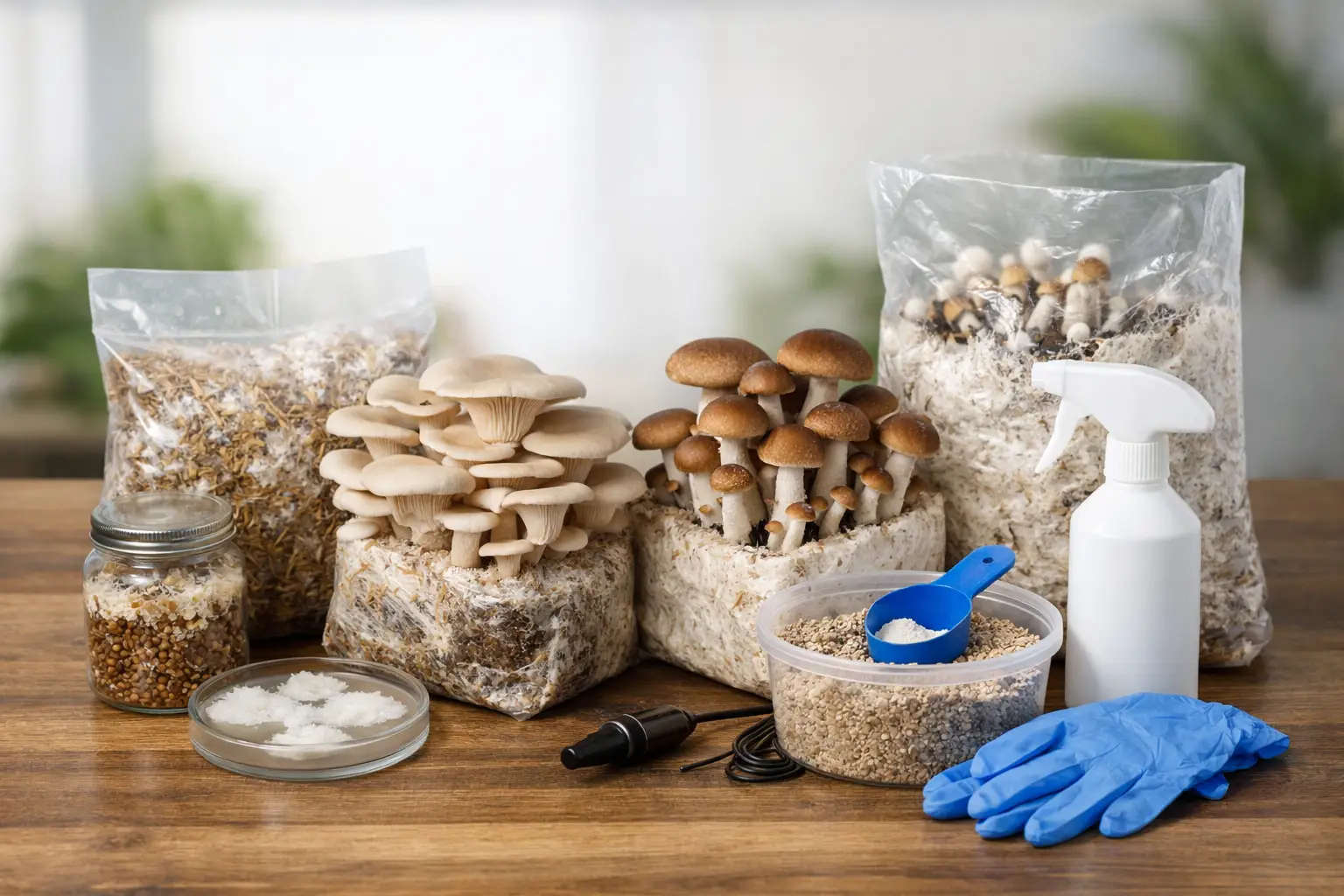
The fastest way to waste money is to buy random products from different categories because they sound advanced. Mushroom cultivation is more forgiving when your supply list is tight and your process is clean. For most home growers, the basics come down to genetics, substrate, containers or bags, sanitation supplies, climate control, and simple monitoring tools.
If you are starting from spores, liquid culture, or an all-in-one grow bag, your first decision changes the rest of your supply list. A beginner using a ready-to-go kit needs less gear than someone mixing bulk substrate and inoculating grain jars from scratch. That trade-off matters. Kits cost more per grow, but they reduce setup friction and lower the chance of beginner errors. Loose components can be cheaper over time, but they demand more control and more discipline.
Spores or culture are the starting point, but they are only one part of the equation. You also need a clean medium where mycelium can colonize. Grain spawn, sterilized substrate, and grow bags are common choices because they simplify handling and help keep contamination in check. If your growing medium is weak, improperly sterilized, or stored badly before use, even good genetics can stall.
Start with the right base setup
A basic home grow setup usually starts with sterilized grain or an all-in-one bag, a syringe or liquid culture, gloves, isopropyl alcohol, and a controlled space where temperature stays steady. Add a fine mister only if your fruiting method actually calls for it. A lot of new growers over-mist, and that creates more problems than it solves.
Grow bags are popular because they reduce handling and keep the environment contained. That makes them a strong option for first-time buyers who want a cleaner, simpler process. Monotubs can produce larger yields, but they need more dialing in. You need to manage air exchange, moisture, and surface conditions more closely. If you want fast setup and fewer moving parts, bags win. If you want more capacity and do not mind a little tuning, tubs can make sense.
Temperature matters, but expensive gear is not always necessary. Many growers do well in a stable room without heaters or complicated controllers. If your space swings hard between hot days and cold nights, then a small thermostat-controlled heat source may help. The point is not to buy every accessory. The point is to control variables that actually affect the grow.
Sanitation supplies are not optional. Gloves, alcohol, paper towels, and a clean workspace are cheap compared to losing a whole batch to contamination. Some growers add a still air box for inoculation, which is a smart buy if you are working with syringes, jars, or bags regularly. It is one of the few low-cost upgrades that can improve consistency right away.
The supplies beginners usually overlook
Beginners often focus on the exciting parts and ignore the boring parts. The boring parts are what keep a grow alive. Storage is one example. Your substrate, grain, and cultures need to be stored correctly before use. Heat, moisture, and rough handling can ruin supplies before the process even begins.
Labeling is another overlooked detail. If you are testing multiple bags, strains, or inoculation dates, a marker and simple organization system can save a lot of confusion later. The same goes for basic monitoring. You do not need a commercial control panel, but a small thermometer and hygrometer can help you spot obvious problems before they become losses.
Patience is also part of your supply list, even if it is not sold in a package. New growers tend to open bags too often, move tubs around, or keep changing conditions because they think more intervention means better results. Usually it means more contamination risk and slower progress.
How to choose mushroom grow supplies without overbuying
The best buying strategy is to match supplies to your actual skill level. If you are brand new, buy for a clean first run, not for some future expert setup. That usually means choosing a beginner-friendly bag or kit, dependable inoculation material, basic sanitation products, and one fruiting method. Do not mix three different methods on your first attempt just because they all sound efficient.
If you already know the basics, then upgrading individual components makes more sense. Better grain prep, better substrate, more reliable bags, or stronger environmental control can improve yield and consistency. But every upgrade comes with a question – does it solve a real bottleneck, or does it just look more serious? A lot of flashy gear falls into the second category.
Price matters, but the cheapest option is not always the best value. A low-cost bag with poor seals, weak filter patches, or inconsistent sterilization can cost more when it contaminates. On the other hand, top-shelf gear does not automatically make you a better grower. Good supplies support good technique. They do not replace it.
Convenience matters too. Many buyers want one storefront where they can compare spores, grow bags, mushroom edibles, microdose products, and related supplies without bouncing between specialty shops. That kind of category depth saves time and cuts friction, especially if you care about discreet ordering and fast shipping. Trippy Store Us fits that buying style because it keeps cultivation products and adjacent categories in one place instead of forcing you to piece everything together from separate sources.
Supplies worth paying for
Sterility is worth paying for. Reliable substrate prep is worth paying for. Strong grow bags with consistent construction are worth paying for. So is quality genetics from a source that handles inventory carefully.
Fancy lights are usually not worth overspending on for mushroom grows. Elaborate humidity systems are also unnecessary for many small home setups. Bigger is not automatically better either. A compact, clean setup you can manage well beats a sprawling setup that gets sloppy after week one.
If you are growing in a shared home, discretion may affect your supply choices. Bags are easier to keep tidy and contained. Tubs can take more room and attract more attention. If privacy matters, choose supplies that fit your space, your schedule, and your comfort level.
Mushroom grow supplies guide for first-time buyers
First-time buyers should think in phases. Phase one is inoculation. You need clean handling, a viable culture or spore source, and a colonization medium. Phase two is fruiting. You need stable moisture, fresh air management, and a container or environment that supports pinning and growth. Phase three is harvest and cleanup. You need clean tools, storage planning, and a willingness to discard anything suspicious rather than trying to save it.
That phased approach keeps your shopping focused. It also helps you avoid one of the most common beginner mistakes – buying fruiting gear before you have a clean, colonized base to work with. If the first phase fails, the rest of the cart does not matter.
A smart first order is usually simple. Choose one grow format, one inoculation source, and the sanitation items needed to use them correctly. Then run that setup exactly as intended before changing variables. Once you know how your environment behaves, you can test larger tubs, different substrate blends, or more advanced workflows.
There is no perfect universal supply list because growing conditions vary. A dry apartment, a humid basement, and a warm spare room all behave differently. Your best setup depends on how stable your space is, how much effort you want to put in each day, and whether you value simplicity or scale. That is why the right question is not what is the most advanced setup. It is what setup gives you the best chance of a clean first success.
Buy with purpose, keep your process clean, and resist the urge to complicate a grow before you even begin. The right supplies do not need to look impressive. They need to work when it counts.

Add a review
Your email address will not be published. Required fields are marked *